Why Clean Commercial HVAC System?

Clean and well-maintained systems mean lower energy bills, longer equipment life, and healthier indoor environments.

Clean and well-maintained systems mean lower energy bills, longer equipment life, and healthier indoor environments.

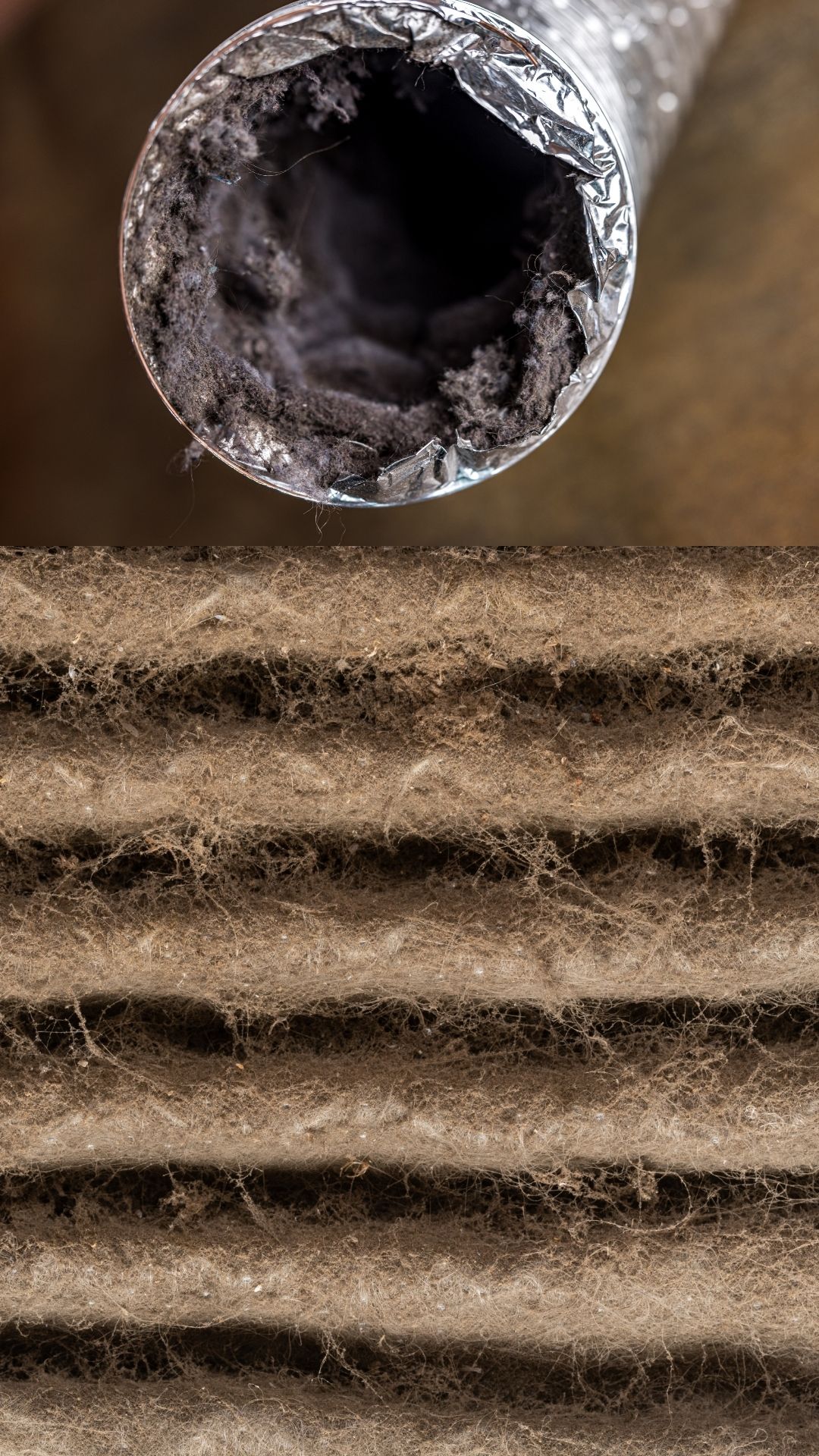
Over time, air-handlers, evaporator coils, condenser coils, ductwork, exhaust systems and fresh-air supply systems accumulate dust, particulate matter, microbial growth, film, and other contaminants that restrict airflow. Without proper cleaning (and inspection) the design-intent airflow is degraded, impairing ventilation effectiveness, reducing conditioned air delivery, and putting excess load on fans and coils.

For example, a peer-reviewed large-scale study found that after professional HVAC cleaning, supply airflow increased by 10% to 46% and fan & blower energy usage dropped by 41% to 60%.

Indoor Air Quality (IAQ)

Occupants spend a large percentage of their time indoors. According to the American Society of Heating, Refrigerating and Air‑Conditioning Engineers (ASHRAE), indoor air quality (IAQ) “impacts people’s health, comfort, well-being, learning outcomes and work performance.”1

Dirty HVAC components and ductwork can act as a reservoir for particulates, allergens, microbial growth, and other contaminants that recirculate in the building. While the science continues to refine the direct health-outcome links of duct cleaning, the presence of contamination is plain and the potential risk to occupant comfort and productivity is real.
1Office of Research Services

Equipment Life & Reliability

When coils are fouled with dirt, film, or biological growth, the heat-transfer efficiency drops, the static pressure is affected , and the fan and compressor must work harder to deliver the same cooling or heating output. This extra strain accelerates wear and increases the likelihood of maintenance problems or premature replacement. A study by ASHRAE found that cleaning a fouled coil yielded a 14 % drop in pressure across the coil, a 25 % increase in thermal efficiency (sensible load), and a 10 % increase in latent heat transfer ability.

Energy & Operational Cost Savings

Because of the performance degradation described above, dirty or under-maintained systems cost more to operate. The NADCA (National Air Duct Cleaners Association) energy study underscored the measurable savings when cleaning is properly executed.1
1NADCA

In other words: cleaning is not simply a “nice to have” but a strategic maintenance action with ROI potential.

Indoor Comfort and Occupant Satisfaction

When airflow is restored, ventilation is effective and temperature/ humidity control is responsive, building occupants see better comfort, fewer hot/cold spots and fewer complaints. For commercial landlords, facility managers and tenants, better comfort translates into higher occupant satisfaction, better productivity, and less staff time dealing with issues.

Health, Safety & Regulatory/ Contractual Requirements

Many facilities — especially healthcare, education, data centers or high-occupancy commercial buildings — are under heightened scrutiny for building hygiene, ventilation performance and IAQ. Ensuring HVAC systems are clean, documented and functioning to design spec helps meet those obligations. For example, NADCA’s Standard ACR (“Assessment, Cleaning and Restoration of HVAC Systems”) outlines inspection and cleaning criteria for commercial HVAC systems.

Why Clean Your Commercial HVAC System Now?

Delaying HVAC cleaning may seem like a low-priority item, but the costs and risks escalate over time:

Reduced
Airflow

Poor ventilation, increased occupant complaints, possible hot/cold spots or high humidity.

Lower system efficiency

Higher energy bills, greater wear on equipment, more maintenance headaches.

Accumulated contamination

Potential IAQ issues, increased liability, negative occupant perception.

Unplanned
failures

Downtime, tenant dissatisfaction, emergency repair costs and possible equipment replacement sooner than necessary.
Investing in cleaning now means you minimize these risks and support smooth, efficient, reliable HVAC performance. As one study put it: the cleaning improved latent heat-transfer by 10% and sensible by 25%, while reducing coil pressure drop by 14%.