Commercial Refrigeration Maintenance Services
Protect Your Equipment. Reduce Downtime. Maintain Performance.
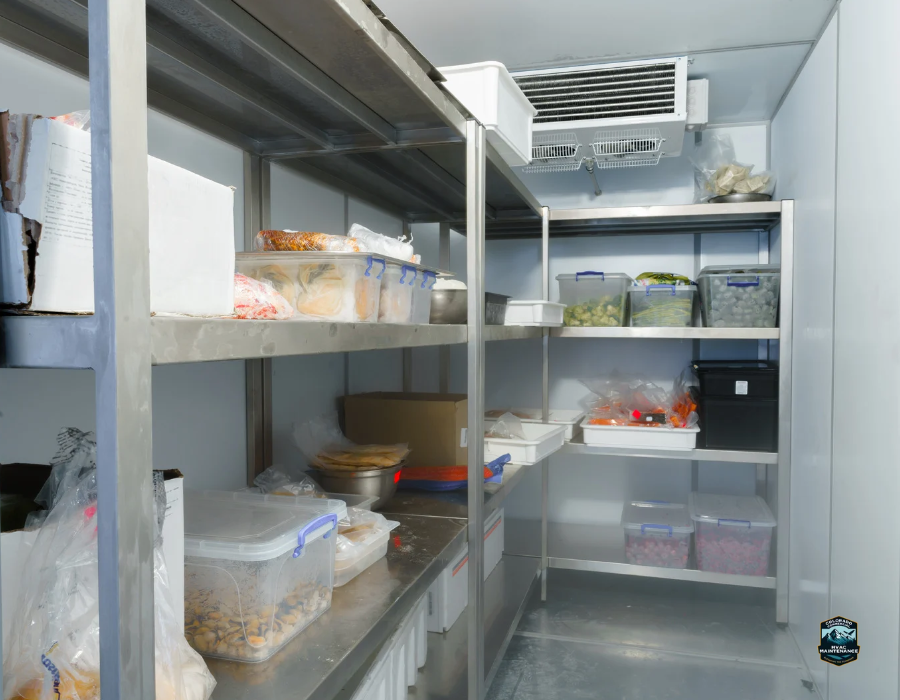
Your refrigeration equipment works around the clock to protect inventory and keep your business operating. When a cooler or freezer struggles to hold temperature, the consequences can include lost products, interrupted meal service, higher energy use, and unnecessary strain on expensive equipment.
Colorado Commercial HVAC Maintenance provides commercial refrigeration maintenance for restaurants, commercial kitchens, hotels, country clubs, and other food service facilities. We focus on equipment cleanliness, operating condition, and performance checks that help identify developing problems.
Whether you are preparing for dinner service, a hotel breakfast rush, or a scheduled banquet, dependable refrigeration matters. We build maintenance plans around your equipment, operating demands, and facility conditions.
Why Commercial Refrigeration Maintenance Matters
A cooler or freezer can appear to be working while gradually losing performance. Dirty coils, restricted airflow, damaged door seals, and control problems can make it harder to maintain the intended temperature. Defrost and drainage problems can lead to recurring ice buildup or water leaks.
These issues may cause longer run times, inconsistent temperatures, and additional wear on components. Regular maintenance helps address manageable problems before they interrupt operations and gives you a clearer understanding of equipment condition.
Commercial Refrigeration Equipment We Maintain
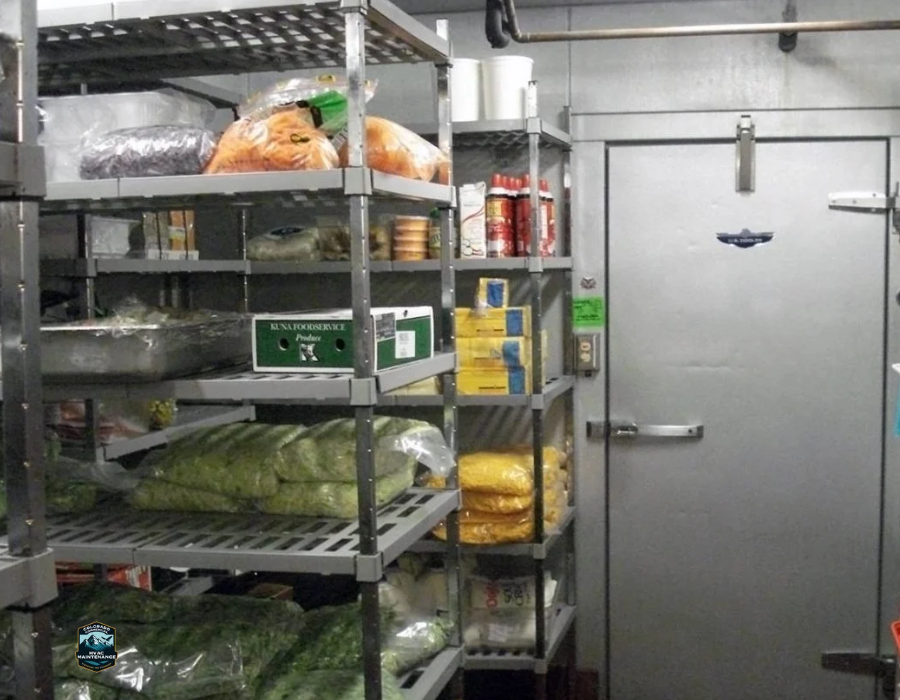
Walk-in coolers and freezers
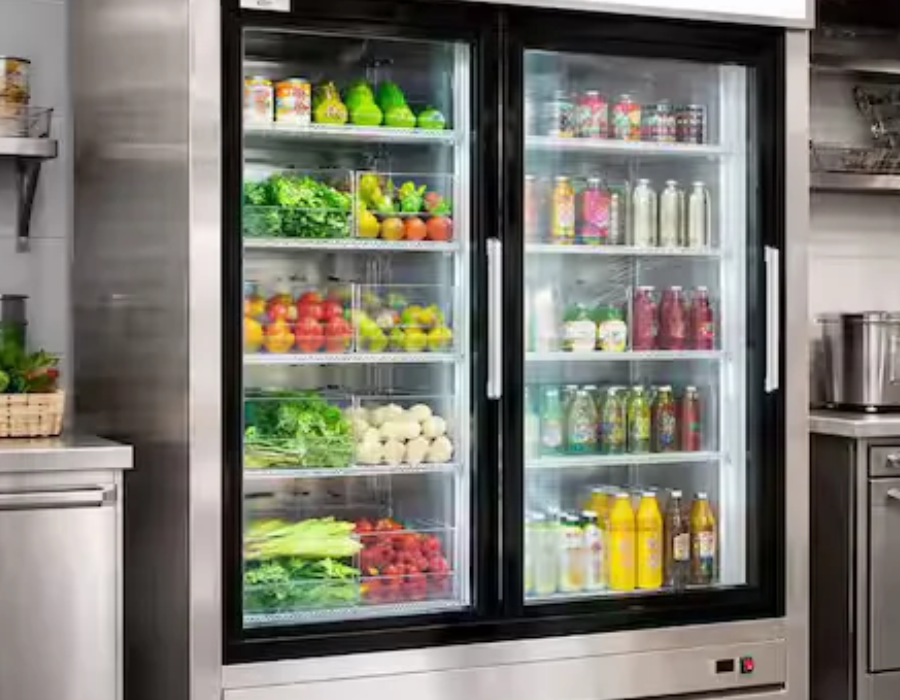
Reach-in refrigerators and freezers
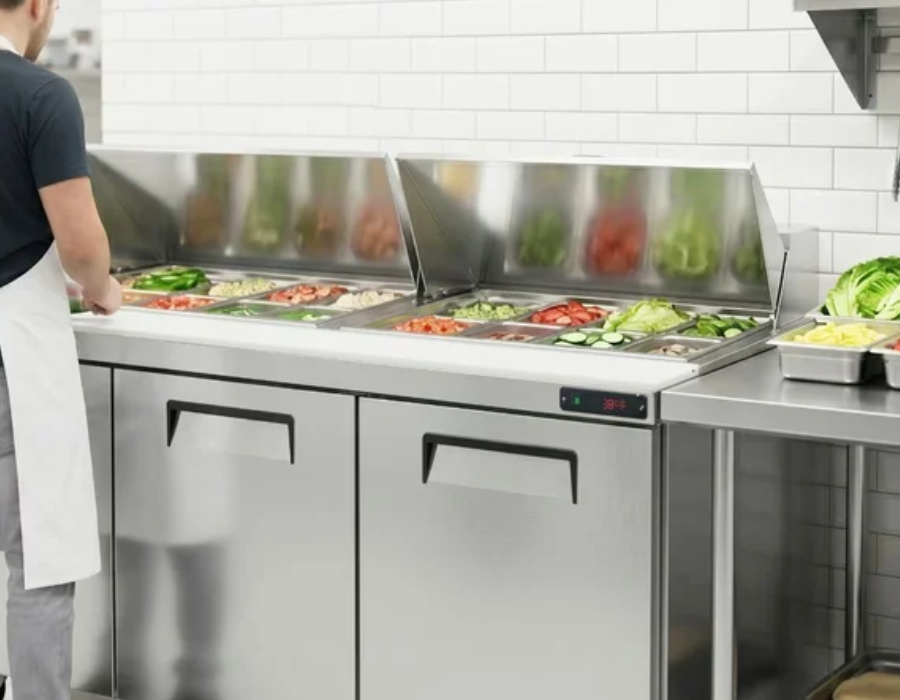
Refrigerated prep tables and sandwich stations
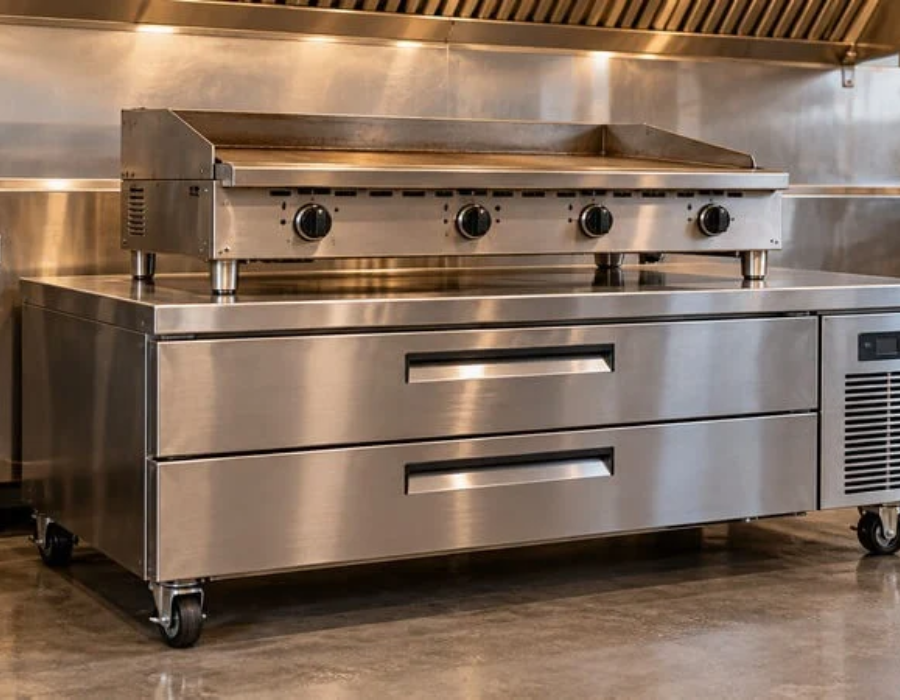
Undercounter refrigerators and refrigerated chef bases
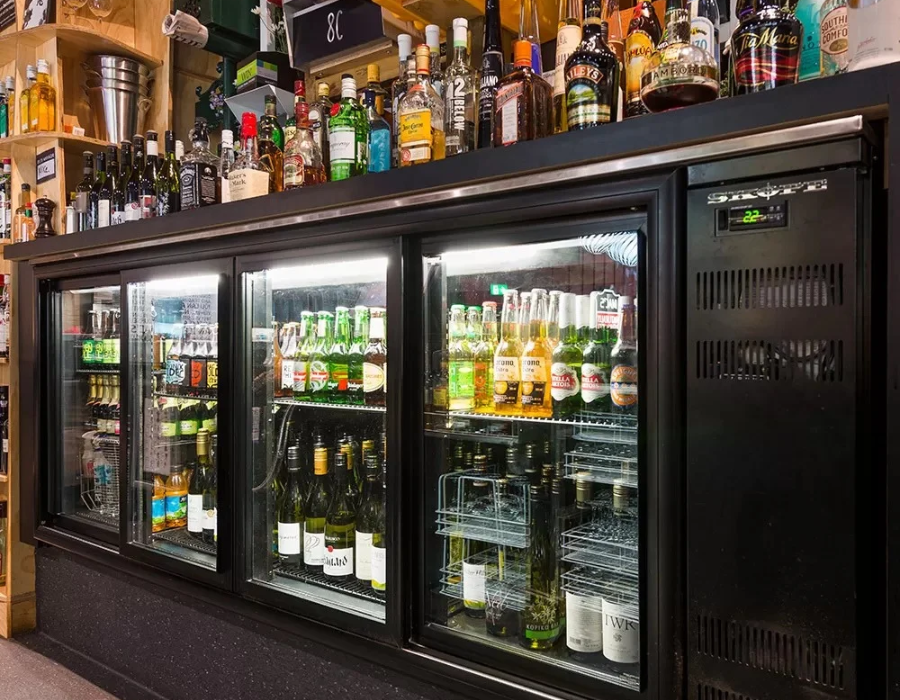
Back-bar and beverage coolers

Refrigerated display cases
We review your equipment and confirm the service scope before establishing a maintenance plan.
Our Commercial Refrigeration Maintenance Services
Condenser Coil Inspection and Cleaning
Condenser coils release heat from the refrigeration system. Dust, grease, and debris can restrict that process, especially in busy kitchens. We inspect coil condition and remove buildup using methods appropriate for the equipment and manufacturer requirements. We also check for restrictions around the unit that interfere with airflow.
Evaporator Coil and Fan Inspection
Evaporator coils absorb heat from the refrigerated space. We inspect and clean accessible coils as appropriate, check fan operation, and look for airflow restrictions or abnormal frost patterns. Unusual ice buildup is evaluated as a symptom that may require further diagnosis.
Defrost System Checks
Proper defrost operation is important for equipment that relies on scheduled defrost cycles. We check applicable controls, sensors, and heaters and look for signs of incomplete defrosting or recurring ice accumulation. The checks depend on the equipment and its defrost method.
Drain Pan and Drain Line Service
We inspect accessible evaporator drain pans and drain lines for buildup, blockages, and drainage problems. We clean them as appropriate and check drain heaters where equipped. Proper drainage helps reduce water leaks and ice accumulation associated with blocked or frozen drains.
Door Seals and Closing Components
Damaged gaskets or doors that do not close properly allow warm, moist air into refrigerated spaces. We inspect door seals, hinges, and closing components and identify issues that may contribute to temperature problems, condensation, or frost buildup.
Temperature and Control Verification
We check relevant cabinet or walk-in temperatures, compare readings with the equipment controls or display, and evaluate cycling and temperature recovery as appropriate. These checks help identify control problems and inconsistent cooling performance.
Electrical and Operating Component Inspection
We inspect accessible wiring, connections, and operating components for signs of wear or abnormal operation. Depending on the equipment and agreed scope, we check fans, starting components, controls, and other parts that affect refrigeration reliability.
Refrigeration Performance Evaluation
Poor cooling does not automatically mean a system needs more refrigerant. Airflow restrictions, dirty coils, defrost problems, and component failures can produce similar symptoms. We evaluate refrigeration performance using checks appropriate for the equipment and explain when further diagnosis or repair is needed. Refrigerant is added only when indicated by diagnosis and the appropriate service procedure.
Service Findings and Equipment Records
We document relevant readings and findings from maintenance visits so you can understand equipment condition and plan corrective work. Comparing visit records can help identify changes over time. These records supplement your staff’s temperature checks and facility monitoring procedures.
Maintenance Plans Built Around Your Facility
The right schedule depends on manufacturer requirements, equipment type, operating hours, and surrounding conditions. Equipment exposed to kitchen grease, dust, heavy use, or frequent door openings may need more frequent attention.
Some equipment requires condenser cleaning as often as monthly or as conditions demand. Other inspection and service tasks follow different intervals. We establish the schedule around your specific equipment rather than applying one annual service interval to every system.
We also distinguish between tasks your staff handles routinely and work included in professional service visits. Repairs or component replacements outside the agreed maintenance scope are explained separately.
These issues may cause longer run times, inconsistent temperatures, and additional wear on components. Regular maintenance helps address manageable problems before they interrupt operations and gives you a clearer understanding of equipment condition.
Signs Your Refrigeration Equipment Needs Attention
Temperatures drifting above the intended operating range.
Longer run times, frequent cycling, or repeated shutdowns.
Unusual ice buildup on coils or inside the refrigerated space.
Water leaks, blocked drains, or frozen drain lines.
Damaged door gaskets or doors that do not close properly.
Visible dirt, grease, or debris on condenser coils.
New noises, vibration, or changes in fan operation.
Repeated service calls for the same problem.
If equipment is no longer holding temperature, request prompt service and follow your facility’s procedures for protecting inventory. A breakdown may require repair rather than a routine maintenance visit.
Commercial Facilities We Serve
We serve restaurants, bars, commercial kitchens, hotels, resorts, country clubs, golf courses, catering operations, and institutional food service facilities. We coordinate maintenance around equipment access, kitchen activity, and your operating schedule.
Benefits of Regular Refrigeration Maintenance
- Reduce the risk of avoidable downtime.
- Address buildup and operating problems that waste energy.
- Support more consistent cooling performance.
- Reduce unnecessary strain on compressors and other components.
- Identify repair needs before they become larger disruptions.
- Plan equipment service and replacement with better information.
Maintenance cannot prevent every failure, but timely care helps address conditions that contribute to breakdowns.
Frequently Asked Questions
How often should commercial refrigeration equipment be maintained?
Follow the manufacturer’s requirements and adjust the schedule for your operating environment. Condenser cleaning may be needed monthly on some equipment, while other service tasks follow different intervals. We recommend a plan after reviewing your systems.
Can dirty coils increase operating costs?
Yes. Buildup interferes with heat transfer and may cause equipment to run longer or work harder to maintain temperature. The impact depends on the equipment and other operating conditions.
Is maintenance the same as repair?
Maintenance focuses on cleaning, inspection, and operating checks. Refrigeration Repair addresses a specific fault or failed component. If maintenance identifies a problem outside the agreed scope, we explain the findings and recommended next steps.
Does maintenance replace staff temperature checks?
No. Continue the temperature checks, recordkeeping, alarm monitoring, and inventory-handling procedures required for your facility. Equipment maintenance supports reliable operation but does not establish whether food is safe to serve.
What if my equipment is already warming up?
Request a service visit promptly and follow your facility’s procedures for protecting temperature-sensitive inventory. Poor cooling can have several causes and may require diagnosis and repair.
Schedule Commercial Refrigeration Maintenance
Keep your refrigeration equipment ready for the demands of your business. Colorado Commercial HVAC Maintenance can review your systems, identify maintenance needs, and develop a service plan around your facility.